
IoT in Healthcare: A New Era of Connected Patient Care
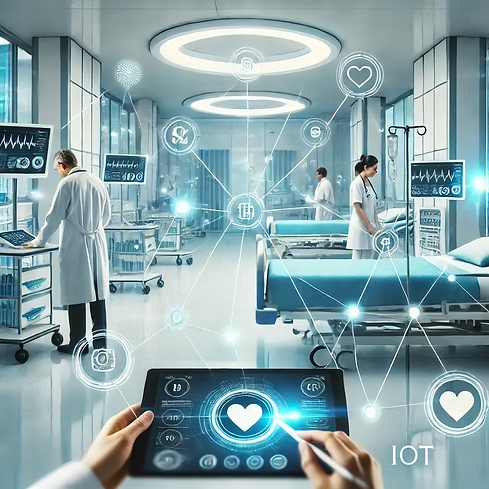
The healthcare industry is undergoing a transformative shift, and the Internet of Things (IoT) is at the heart of this revolution. By enabling seamless connectivity between devices, IoT is unlocking new possibilities for patient care, operational efficiency, and medical innovation. This article explores how IoT is shaping a new era of connected patient care and its potential impact on the healthcare sector.
The Role of IoT in Healthcare IoT in healthcare refers to a network of connected medical devices, sensors, and applications that collect and share data in real-time. These technologies empower healthcare providers to make data-driven decisions, improve patient outcomes, and enhance the overall quality of care.
From wearable devices that monitor vital signs to smart hospital systems that optimize operations, IoT is making healthcare more accessible, efficient, and personalized.
Key Applications of IoT in Healthcare 1. Remote Patient Monitoring IoT-powered devices, such as wearable fitness trackers and medical-grade monitors, enable healthcare providers to track patients' vital signs remotely. This is particularly beneficial for managing chronic conditions like diabetes and hypertension, as patients can receive real-time feedback and timely interventions without frequent hospital visits.
2. Smart Hospitals Smart hospitals leverage IoT to streamline operations, from inventory management to patient flow optimization. Connected devices monitor equipment usage, track medical supplies, and even guide staff to locate critical tools, ensuring efficient resource utilization and better patient care.
3. Personalized Medicine IoT devices collect vast amounts of patient data, which can be analyzed to tailor treatments and medication plans. By leveraging predictive analytics, healthcare providers can anticipate potential health issues and offer personalized solutions, reducing hospital readmissions and improving outcomes.
4. Medication Management IoT-enabled pill dispensers remind patients to take their medications and notify caregivers of missed doses. This technology ensures adherence to treatment plans, especially for elderly patients or those with complex medication schedules.
5. Emergency Response Systems IoT devices can detect emergencies, such as heart attacks or falls, and automatically alert emergency services. Wearable devices equipped with GPS provide real-time location data, enabling quicker response times and potentially saving lives.
Benefits of IoT in Healthcare Improved Patient Outcomes: Real-time data allows for proactive care, reducing complications and enhancing recovery times.
Enhanced Operational Efficiency: Automated systems free up healthcare staff to focus on patient care rather than administrative tasks.
Cost Reduction: Remote monitoring and predictive analytics minimize hospital stays and unnecessary tests, lowering healthcare costs.
Greater Accessibility: IoT makes healthcare accessible to patients in remote or underserved areas through telemedicine and virtual consultations.
Challenges and Considerations While IoT offers immense potential, it also presents challenges that the healthcare industry must address:
Data Security: Protecting sensitive patient data from cyber threats is critical.
Interoperability: Ensuring that IoT devices from different manufacturers can communicate seamlessly remains a challenge.
Regulatory Compliance: Navigating complex regulations surrounding medical data and device approval can slow adoption.
Infrastructure Requirements: Reliable internet connectivity and robust infrastructure are prerequisites for IoT implementation.
Future Outlook The integration of IoT in healthcare is expected to grow exponentially in the coming years. Advances in 5G connectivity, AI, and wearable technology will further enhance IoT's capabilities, paving the way for more innovative applications. From virtual hospitals to AI-driven diagnostics, the possibilities are endless.
Governments, healthcare providers, and tech companies must collaborate to overcome challenges and create an ecosystem that fosters innovation and ensures equitable access to IoT-driven healthcare solutions.
Conclusion IoT is redefining healthcare by bridging the gap between patients and providers, making care more proactive, personalized, and efficient. As technology continues to evolve, the potential for connected patient care will only grow, transforming how we approach health and wellness.
Whether it's through remote monitoring, smart hospitals, or personalized treatments, IoT is not just enhancing healthcare, it's shaping the future of medicine.
Related articles
- Exploring IoT Connectivity for Healthcare Applications
- How much does it really cost to operate an IoT fleet in LATAM and how to optimize the spend?
- How to manage an IoT device fleet at scale without losing visibility or control?
- What are the main security risks in connected IoT devices and how to mitigate them?
About Moabits
Founded in Spain in 2020, Moabits simplifies global IoT connectivity for companies that build, deploy, or resell connected solutions.
Through global SIM and eSIM coverage, smart automation, and our powerful platform Orion, we make managing connected devices seamless, so you can focus on scaling your business.
From service providers and MVNOs to OEMs and IoT solution developers, Moabits delivers the flexibility, visibility, and control needed to launch, manage, and grow smarter connectivity ecosystems worldwide.
Our Mission
Moabits empowers businesses to successfully deliver high quality connectivity services by providing a complete suite of solutions.

Our Vision
To provide technology to help connect the world, fostering global collaboration, enhancing efficiency, and improving the quality of life for all.

Let us look at your connectivity together
Whether you are scaling a fleet, deploying meters or launching a new IoT product, our team helps you choose the right coverage, plan and platform setup. Talk directly to the engineers and account managers who will run your project.
Get in touch